Low-Stress Grooming for Anxious, Senior and Rescue Dogs
By Mysunnypet Team · Published
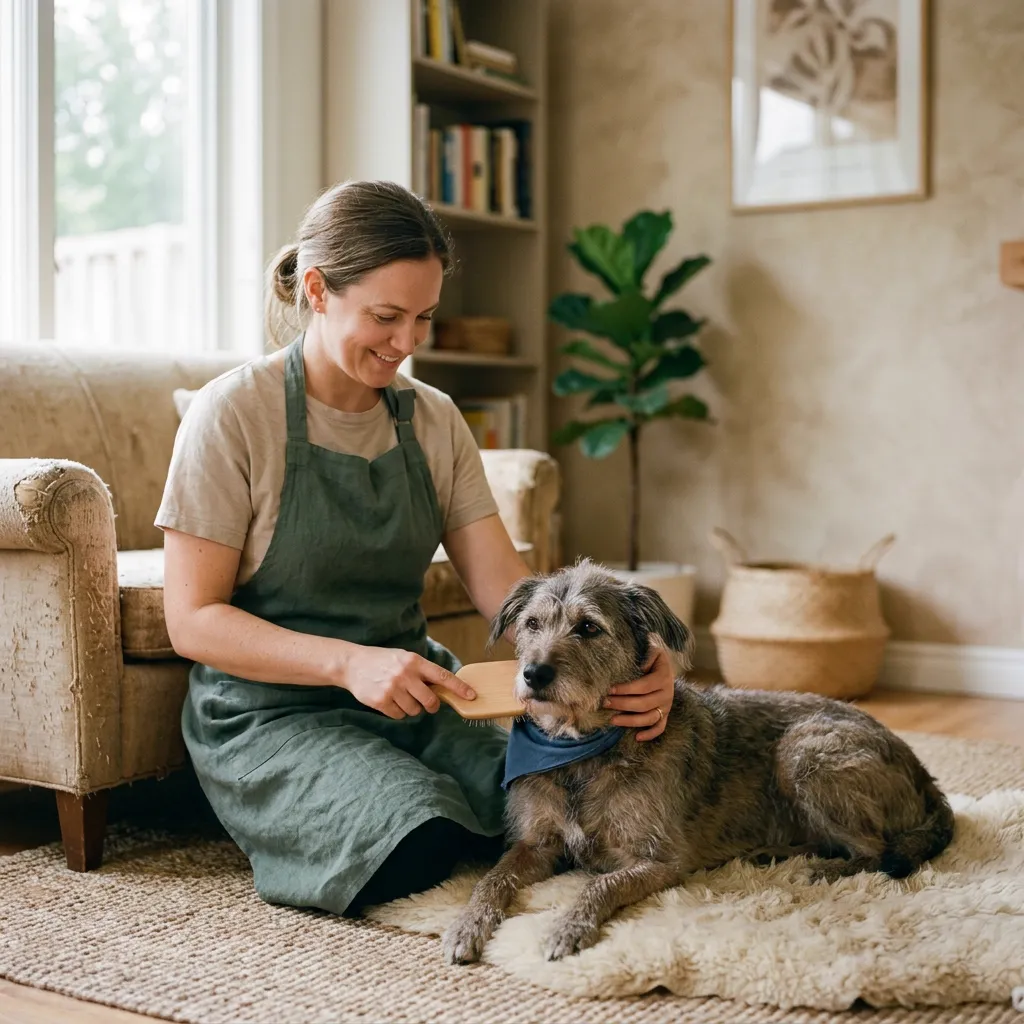
Grooming should feel safe, not rushed
For some pets, grooming is a relaxing routine. For others, the sound of clippers, unfamiliar hands, transportation or a busy salon can feel overwhelming.
Anxious, senior and rescue dogs may need a slower, more individualized approach. The right solution is not to force the pet to “get used to it.” The goal is to understand what makes grooming difficult and choose an environment, pace and service that support the pet’s comfort.
At MySunnyPet, we believe every pet deserves a sunny day. Our grooming options are designed to give pet parents more flexibility, including Home Pet Spa, Pick-up & Drop-off and In-Home Grooming.
How to recognize grooming stress
Dogs do not always show fear by barking or snapping. Some become very quiet or freeze. Others try to escape, pant heavily or refuse treats.
Possible signs of distress include:
- Trembling, freezing or crouching.
- Tail tucked tightly under the body.
- Repeated lip licking, yawning or turning away.
- Heavy panting when the room is not hot.
- Drooling, whining or trying to hide.
- Growling, snapping or attempting to bite.
- Refusing to walk into the grooming area.
- Sudden resistance when the ears, paws or face are touched.
These signs are communication. They tell you that the dog needs more space, a slower introduction or a different grooming plan.
Important:
If your dog shows severe fear, pain, aggression or sudden behavior changes, speak with a veterinarian and consider help from a qualified behavior professional. Grooming should never be used to ignore an underlying medical or behavioral problem.
Why senior dogs may need extra support
Older dogs may have arthritis, reduced vision, hearing loss, sensitive skin or less energy for a long grooming session. Standing for an extended period may be uncomfortable even when the dog has previously tolerated grooming well.
A senior-friendly session may include:
- More frequent breaks.
- Careful handling around joints and paws.
- A non-slip surface.
- A quiet space with fewer distractions.
- Shorter or split sessions when appropriate.
- Clear communication about mobility, medication and health history.
Before the appointment, tell the groomer about changes in your pet’s walking, balance, hearing, vision or tolerance for handling. This information helps the team plan a safer experience.
Why rescue dogs may need a slower introduction
A rescue dog may have an unknown history with bathing, brushing, transportation or being touched. Even a friendly dog may find grooming unfamiliar and frightening.
Avoid assuming that a rescue pet will respond like a dog who has experienced regular grooming since puppyhood. Start with simple, positive handling at home:
- Touch the shoulder or chest gently, then reward calm behavior.
- Gradually introduce paw, ear and tail handling without restraining the dog.
- Let the dog see and smell a brush before using it.
- Introduce clipper sounds from a distance, without moving the tool toward the dog.
- Stop while the dog is still calm rather than waiting for panic.
The purpose is not to complete a full grooming session at home. The purpose is to build trust and make future handling less surprising.
Which grooming option is right for your pet?
Home Pet Spa
A Home Pet Spa session can be a good choice for pets who are comfortable leaving home but benefit from a calm, personal grooming environment. The session includes professional care such as bathing, haircutting and nail trimming according to the pet’s needs.
Pick-up & Drop-off
Pick-up & Drop-off is helpful for busy pet parents and for pets who become more unsettled when their owner stays during the grooming process. Safe transportation and clear communication can make the day easier for the entire family.
In-Home Grooming
In-Home Grooming may be a strong option for senior pets, nervous pets and animals who feel safest in familiar surroundings. A professional groomer brings the necessary portable equipment to the home and works with the pet in a known environment.
In-home care does not automatically solve every behavior challenge. Some pets are more relaxed at home, while others become protective of their space. The best option depends on the pet’s personality, history and grooming needs.
Tell us about your pet before booking. Anxiety, age and past experiences change what a calm appointment looks like, and we would rather plan around that than discover it mid-session.
Request an Appointment·Explore In-Home Grooming·Learn About Pick-up & Drop-off
How to prepare for a low-stress grooming appointment
Share the complete picture
Tell the groomer about previous experiences, triggers, health conditions, allergies, medications, mobility limitations and areas your pet dislikes being touched.
Keep the pre-appointment routine calm
Avoid creating a dramatic event around grooming. A normal walk, a calm voice and enough time to leave the house can be more helpful than rushing out the door.
Do not force brushing or nail trimming
If your pet is already panicking, forcing the procedure can make future sessions harder. Ask a professional for a gradual plan instead.
Bring useful information
If your dog has a favorite reward, specific sensitivity or a successful handling technique, tell the grooming team. Small details can make a meaningful difference.
Ask about a shorter or split session
Some pets do better when the service is divided into manageable steps. A professional can help determine whether this approach is appropriate for the coat and the pet’s welfare.
What a low-stress grooming philosophy means
Low-stress grooming does not mean that every pet will love every step. It means the team pays attention to body language, avoids unnecessary force, uses calm handling and makes reasonable adjustments to the environment and pace.
It also means being honest. If a pet is showing pain, extreme fear or unsafe behavior, the responsible next step may be to pause, contact a veterinarian or create a behavior plan before attempting a complete groom.
Frequently asked questions
Is in-home grooming better for every anxious dog?
No. Many anxious pets feel more comfortable at home, but some become more protective in their own space. Discuss your pet’s behavior and history before choosing the service.
Should I stay in the room during grooming?
It depends on the pet. Some dogs settle when their owner is nearby. Others focus better when the owner gives the groomer space to build a calm connection. Follow the groomer’s guidance and your pet’s body language.
Can a senior dog still receive a full groom?
Many senior dogs can be groomed safely, but the session may need adjustments for comfort, mobility and stamina. Always share health information and ask your veterinarian about concerns related to pain or medical conditions.
What if my dog growls at the groomer?
Do not punish the warning. Safely create distance and explain what happened. A growl can signal fear, pain or discomfort. The groomer and veterinarian can help determine the safest next step.
A calmer grooming experience starts with communication
Your pet does not need to be perfect before receiving professional care. The most helpful first step is to describe what you are seeing and choose a grooming plan that respects your pet’s needs.
With patience, preparation and the right environment, grooming can become more predictable and comfortable over time.